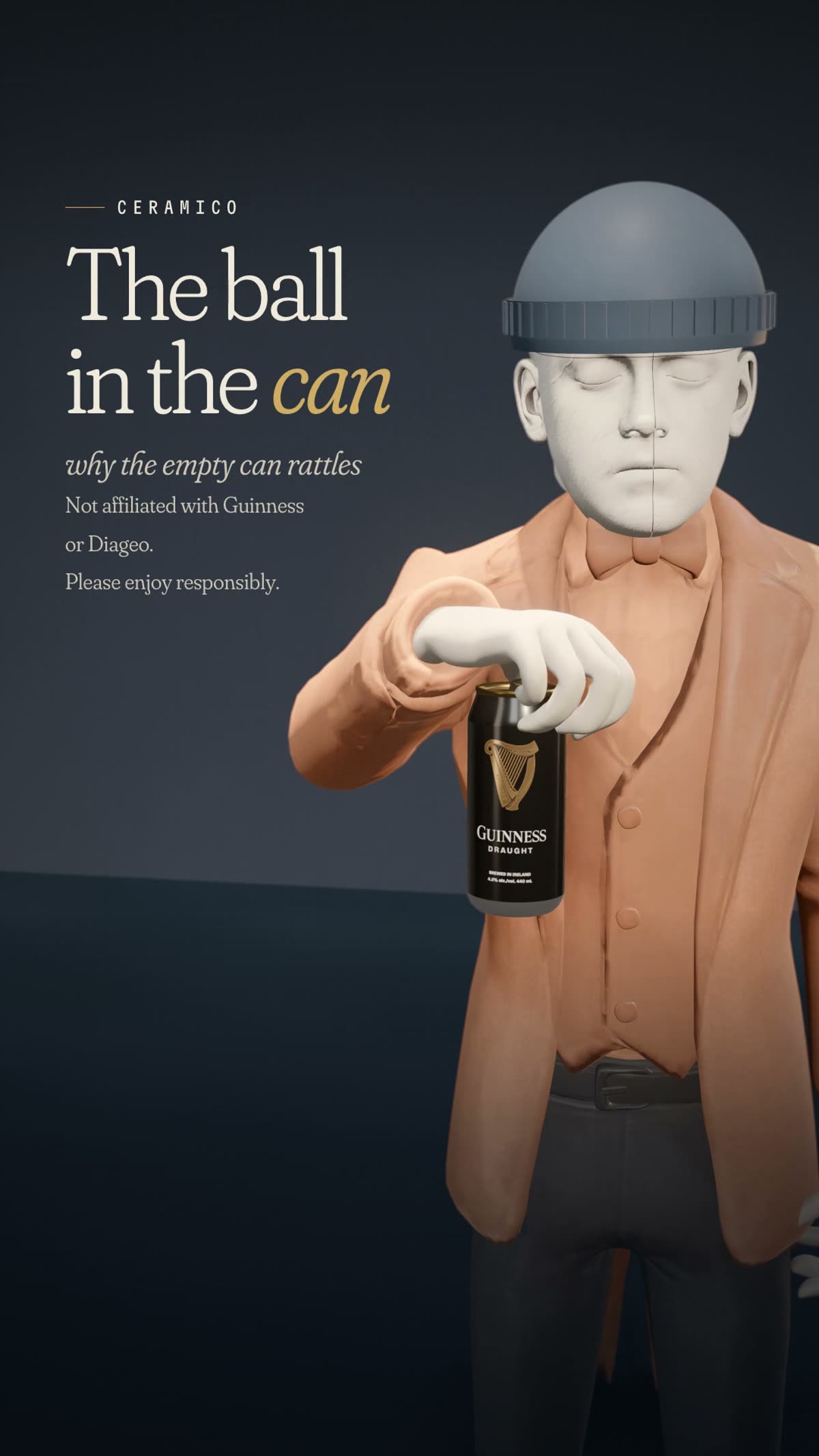
The ball in the can: how a rattling piece of plastic gives Guinness Draught its head
Shake an empty can of Guinness Draught and a plastic ball rattles. It goes in with no beer and barely any pressure. The sealed can does the rest.
Pierre Subeh is the founder and editor of CERAMICO, an independent studio that explains the news and the hidden workings of everyday things through short clay-style animated films and long-form reporting. He leads the editorial line, from sourcing and fact-checking to the final cut.
Shake an empty can of Guinness Draught and a plastic ball rattles. It goes in with no beer and barely any pressure. The sealed can does the rest.
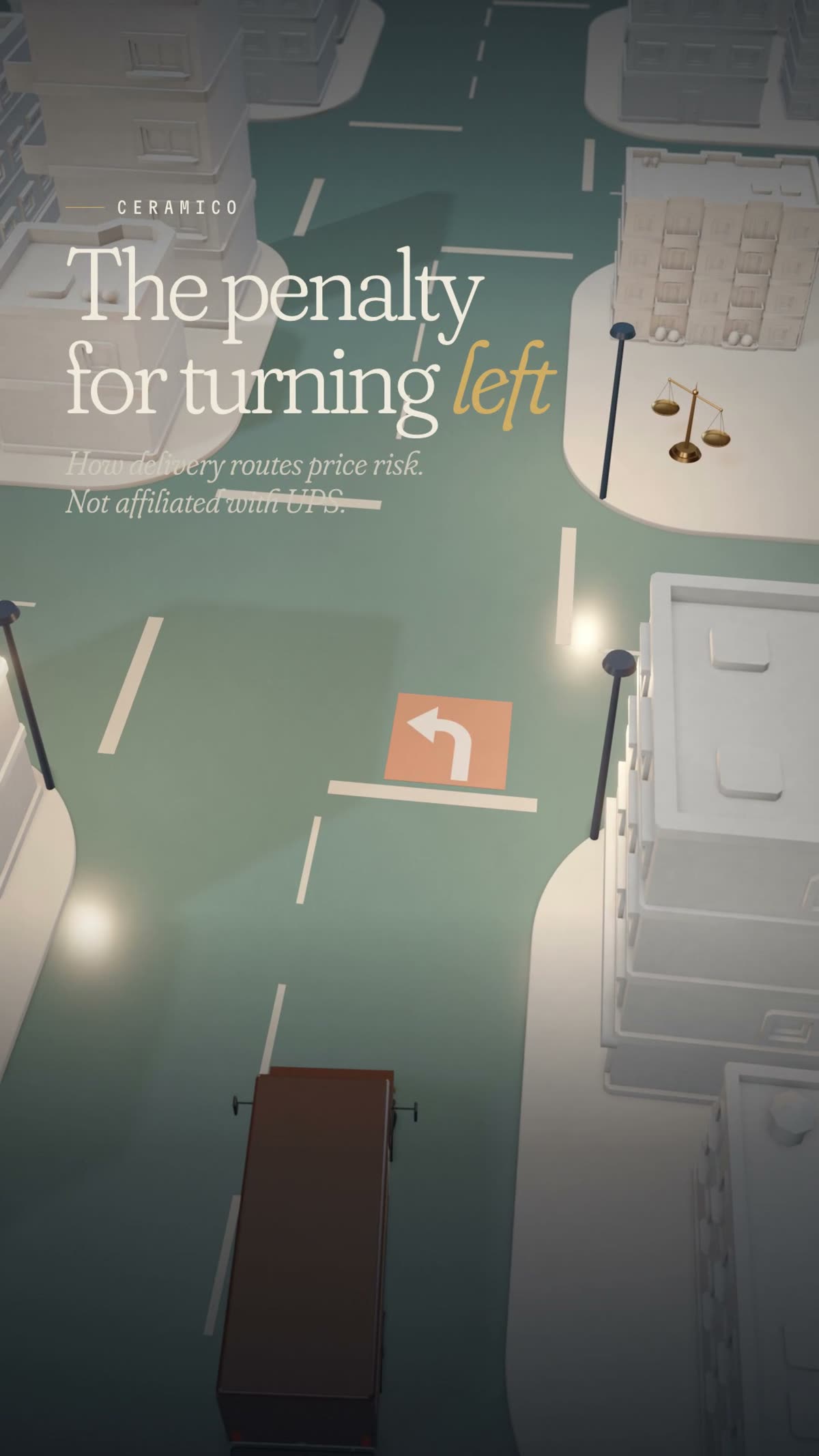
UPS trucks are famous for not turning left. The truth is subtler: UPS built software that makes a left cost more, then lets the math decide.
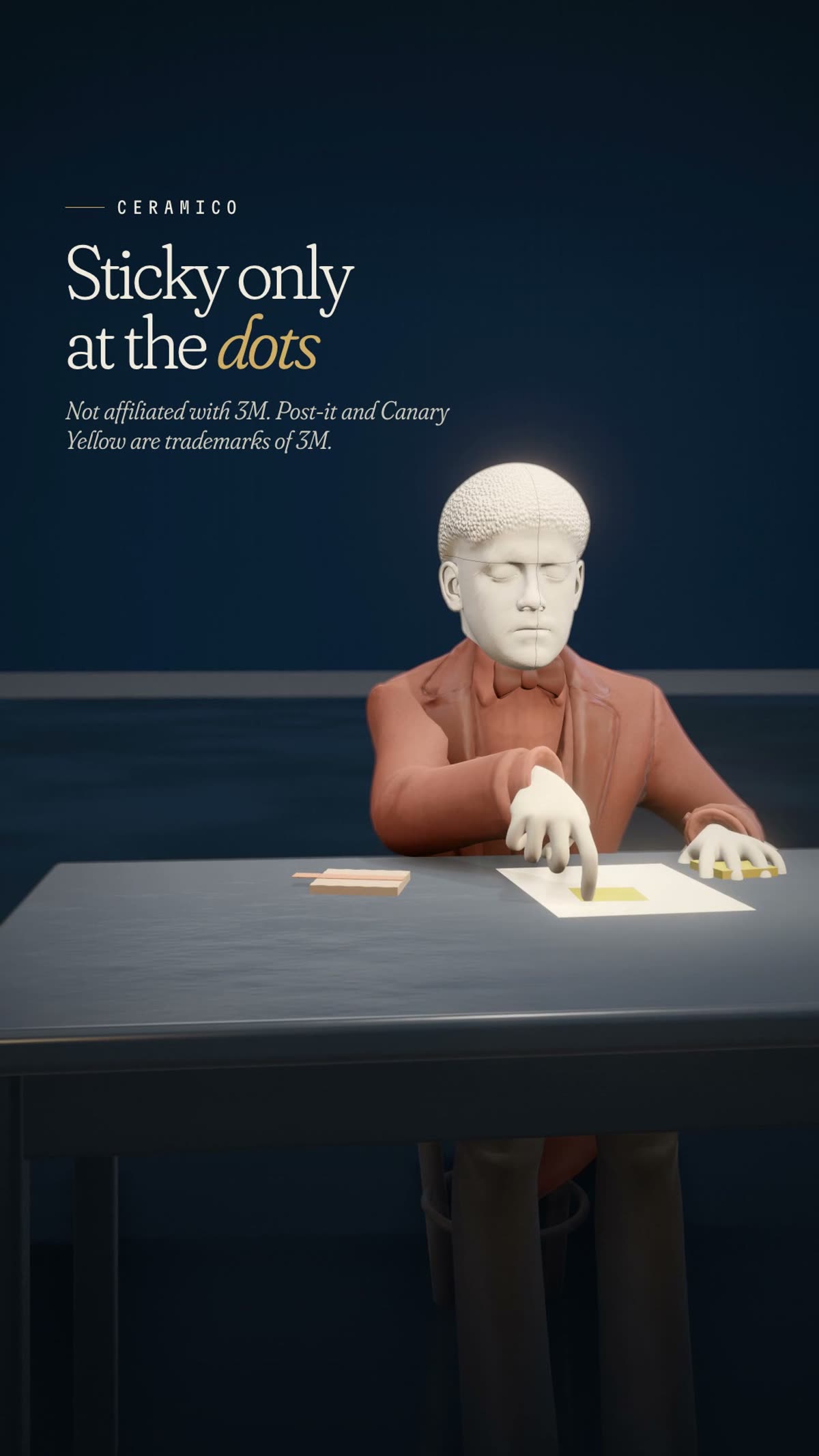
Most glue tries to grab as much surface as it can. The adhesive Spencer Silver invented at 3M did the opposite, and it took years for anyone to see why that was useful.
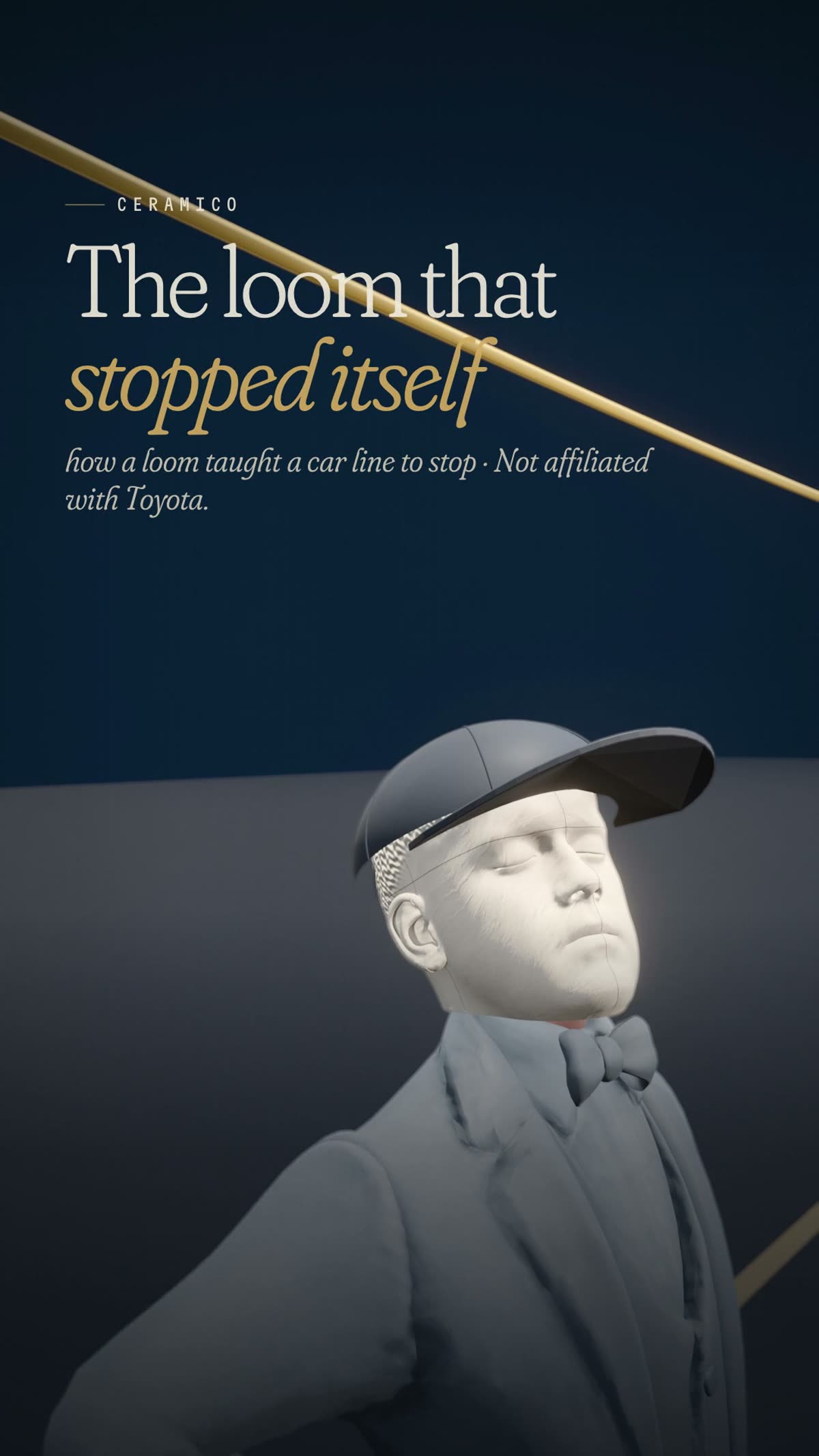
Toyota lets any line worker call a stop. The reason goes back to a carpenter’s son, a snapped thread, and a loom built to notice when something went wrong.
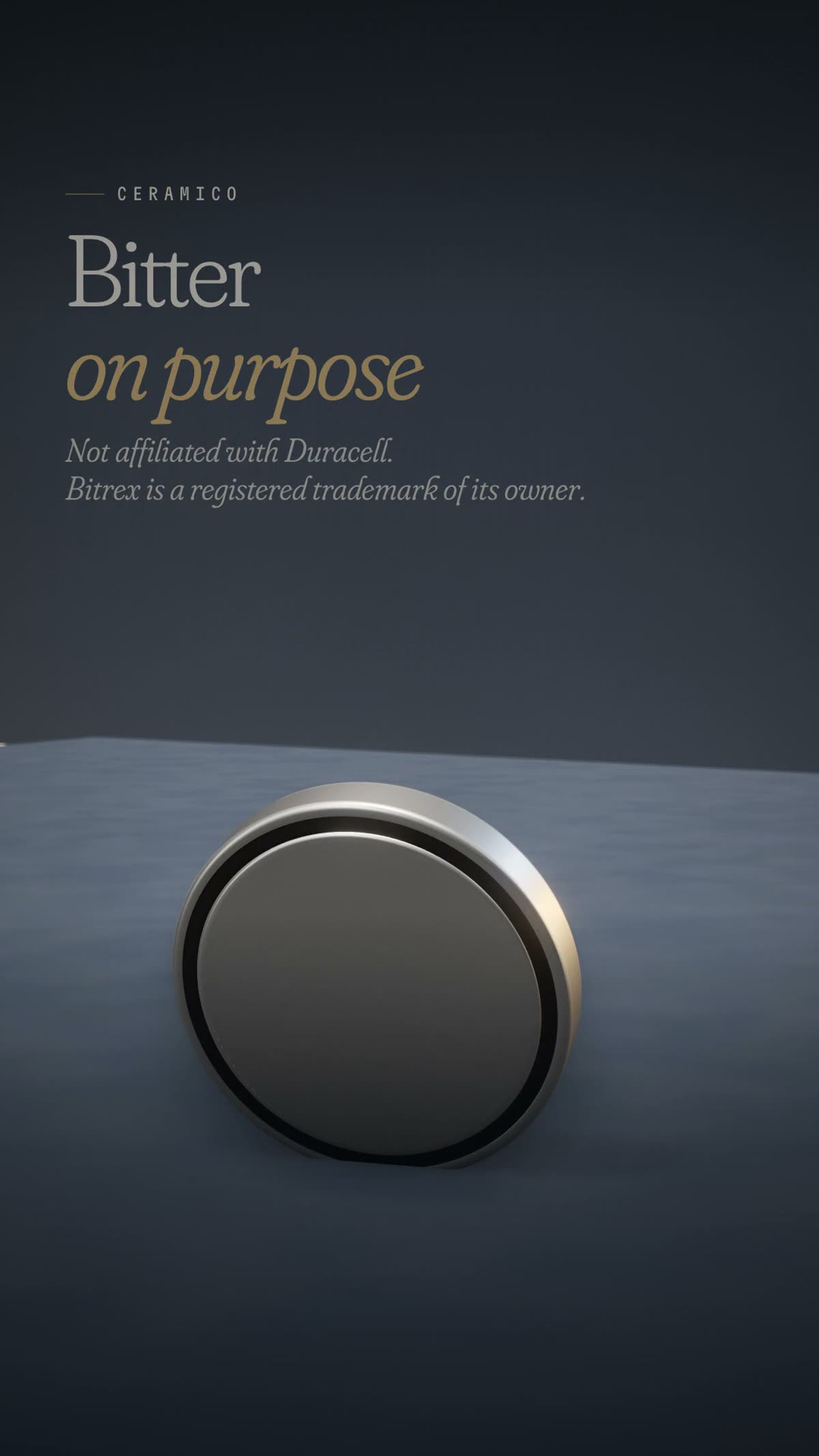
Duracell coats some of its coin cells with a bitter agent so a child spits them out. To see why that matters, and why it is not enough, you have to know what a swallowed coin cell does.
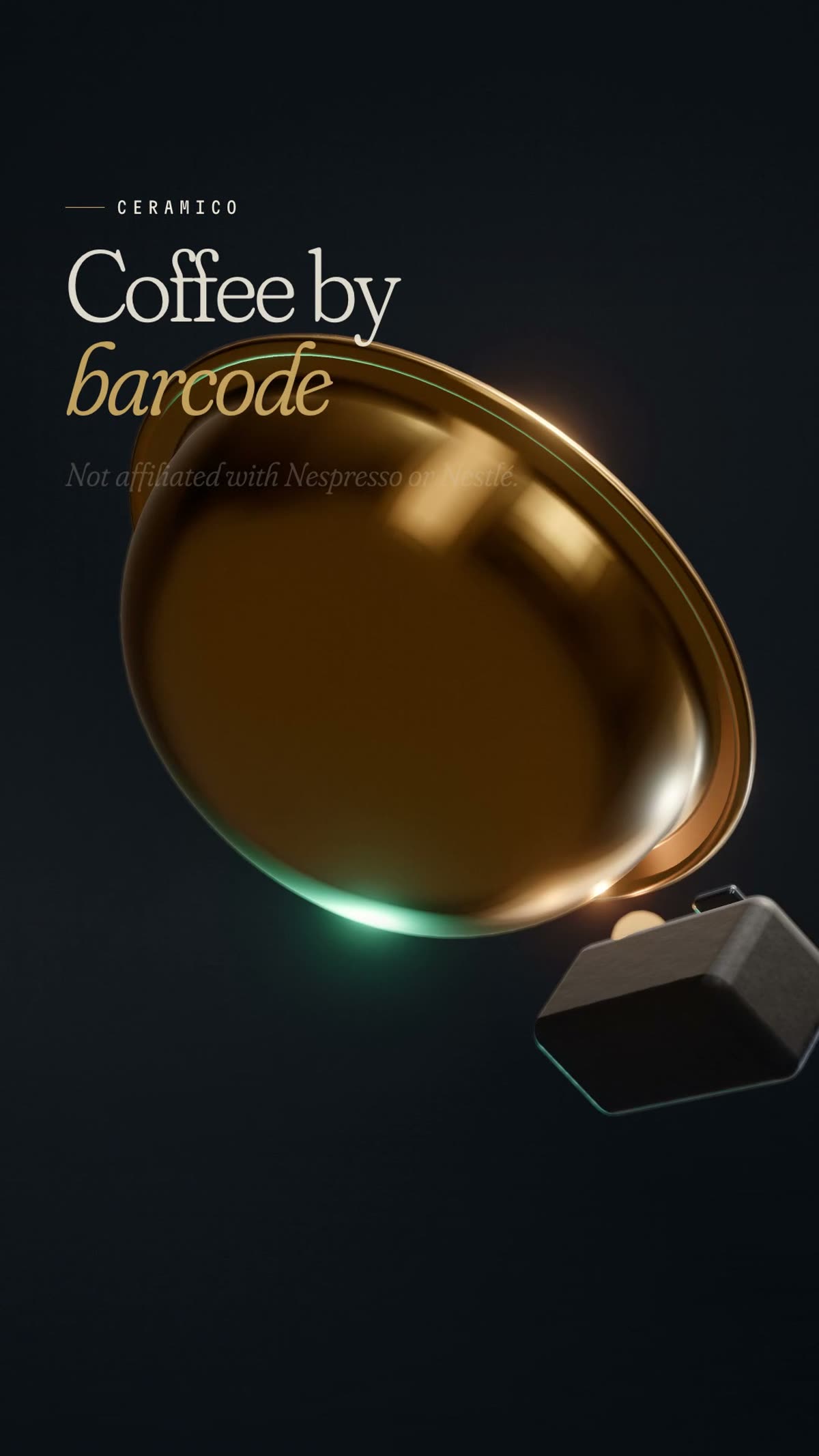
Before a Vertuo machine makes a single drop, it reads a ring of code under the capsule’s rim. Then it does something classic Nespresso never does: it spins the coffee.
There is no blind at a 787 window seat, only a button. Behind it sits a thin gel that turns dark when a small voltage moves its electrons, and clears again the moment the power stops.
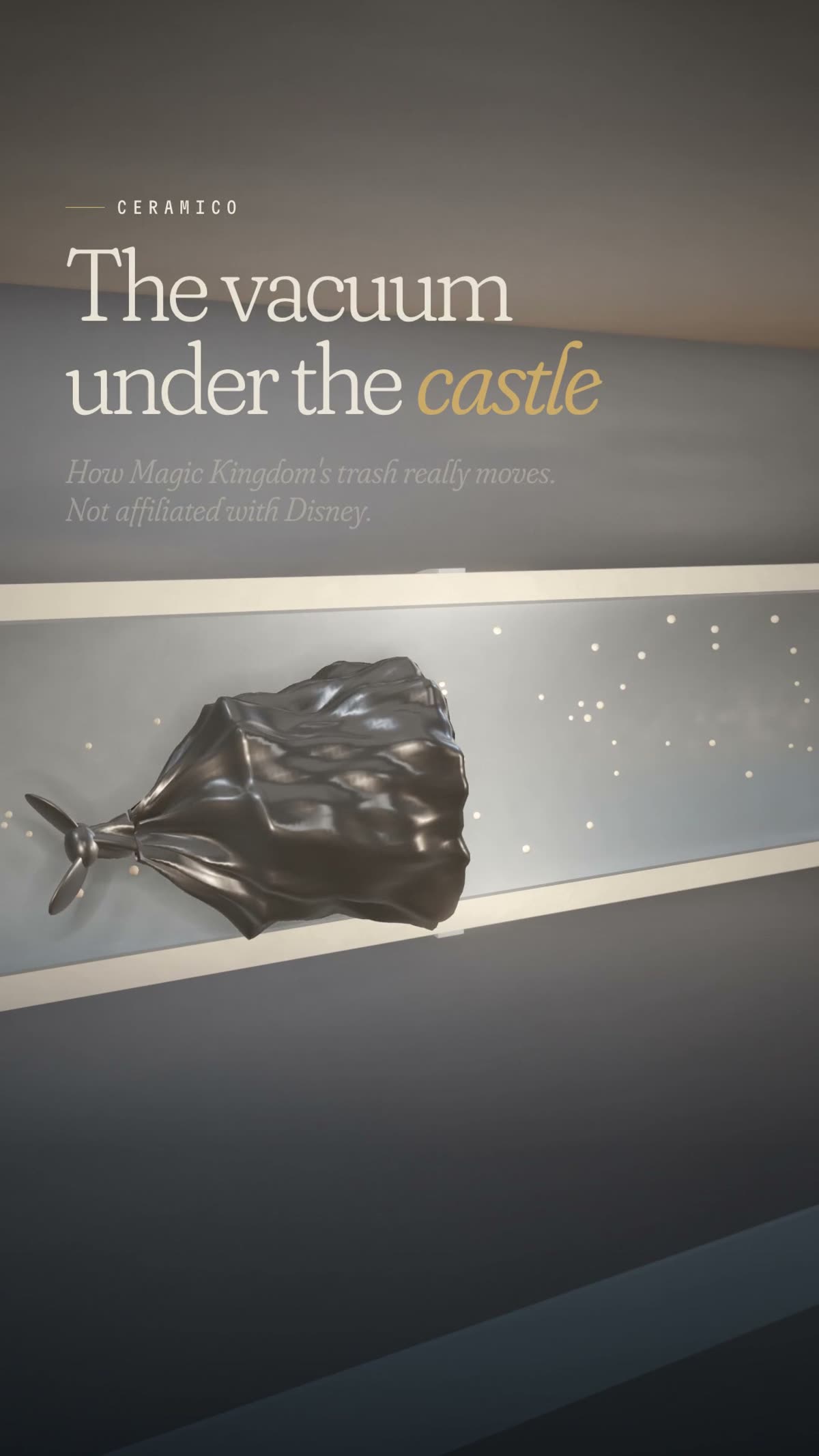
Since 1971, a Swedish-designed vacuum system has whisked Walt Disney World’s trash through 20-inch pipes in the utilidors. The surprise is how much of the job is still done by hand.
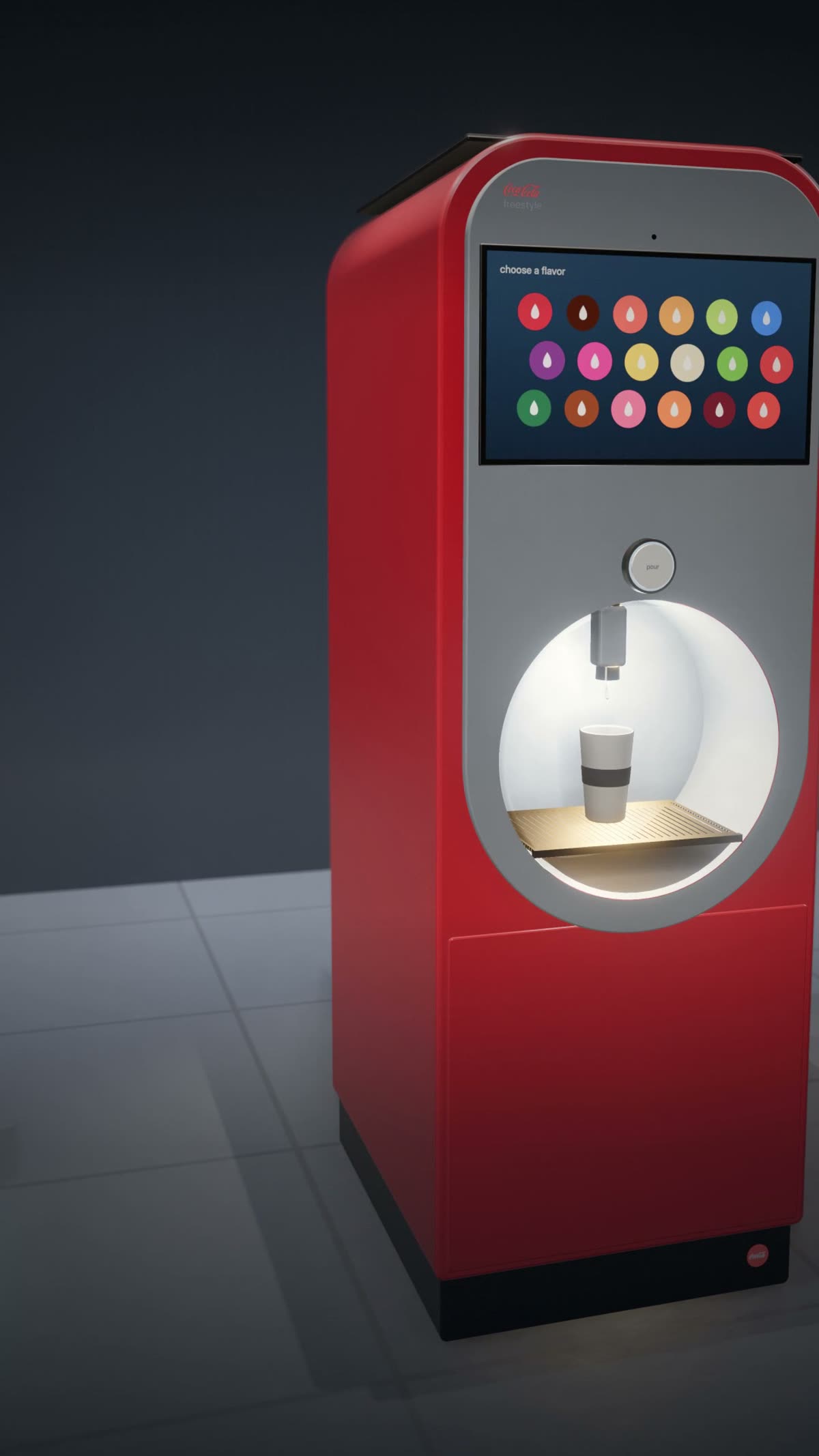
A Freestyle stores no finished drinks. It keeps parts, meters them with pumps precise enough to borrow ideas from medicine, and lets the flavors meet only on their way out of the nozzle.
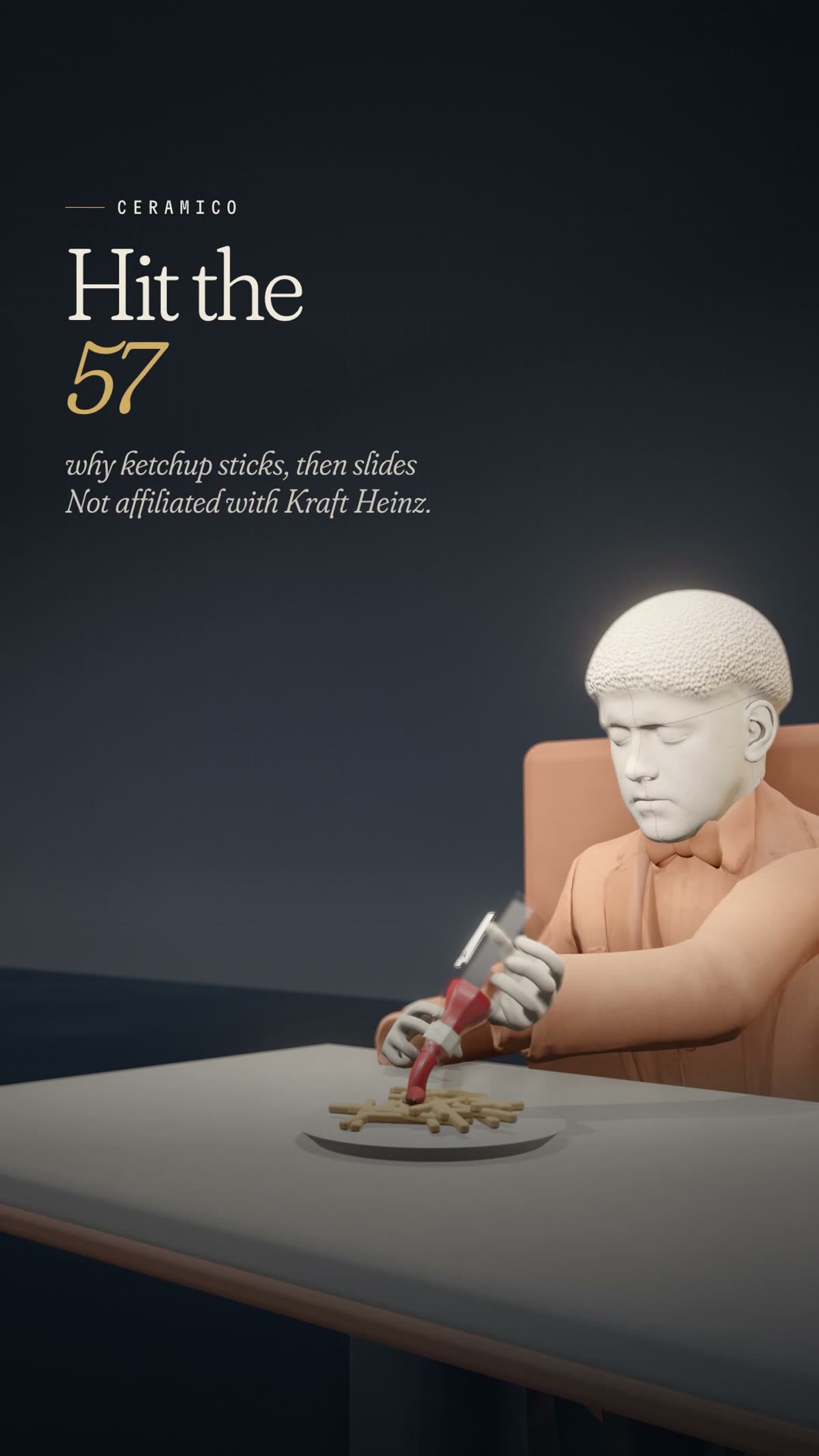
Ketchup sits in the bottle like a soft solid until something pushes it past a limit. Heinz says the push belongs on the 57. A physicist says the bottom. Both are chasing the same number.
A 1958 patent moved a hollow tube to exactly the right spot. Add plastic that gives a little and moulds the LEGO Group says are accurate to about 0.005 mm, and you get a grip that has lasted nearly seven decades.
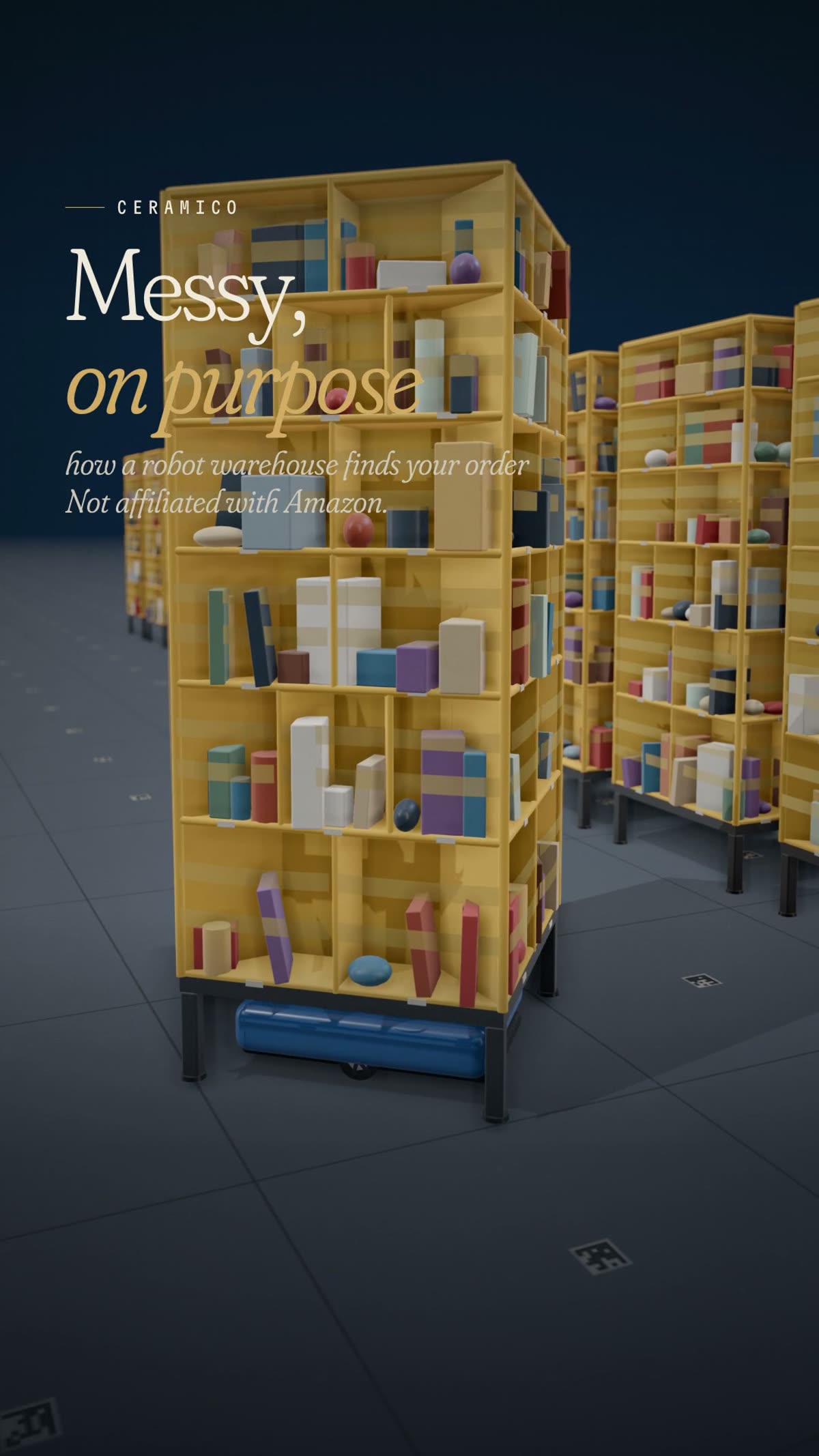
In Amazon’s robotic warehouses, a cookbook can share a bin with socks. Scattering every product across many shelves gives the computer choices, and in 2015 Amazon rewrote how it makes them.
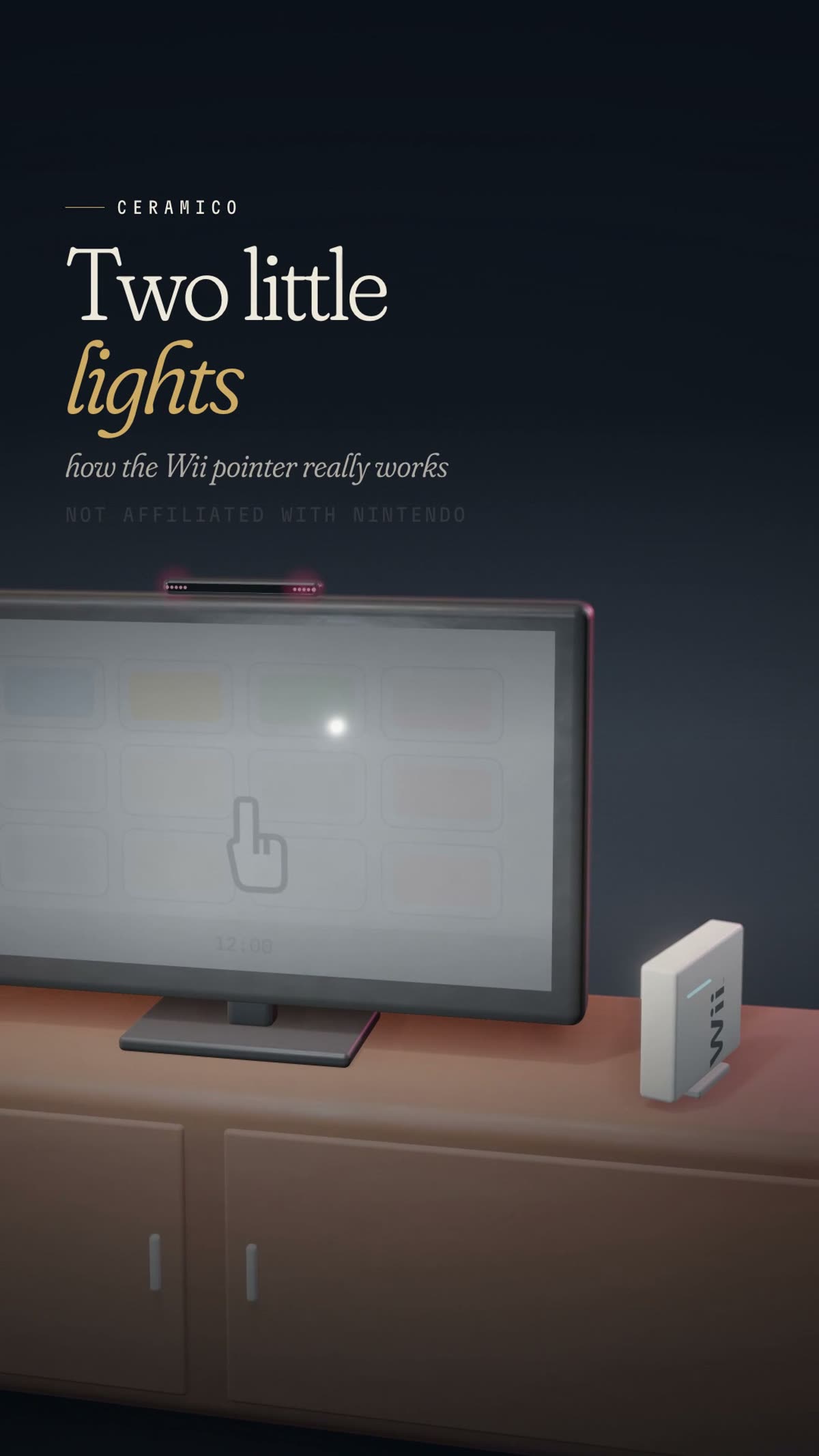
The slim bar by the TV is just ten infrared lights. The clever part is a tiny camera in the remote, which is why two candles can stand in.
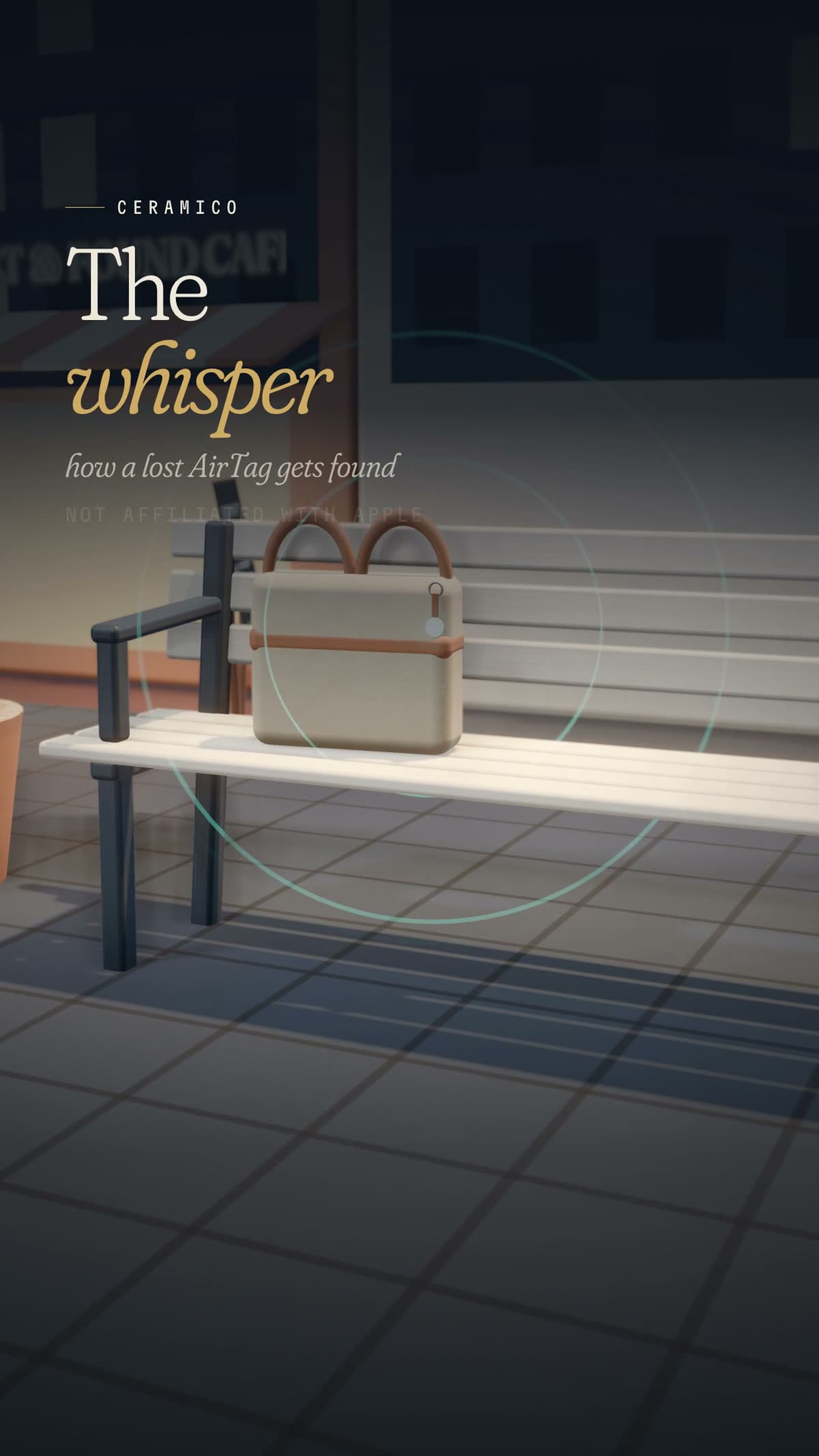
A lost AirTag only whispers a Bluetooth key. Passing devices seal their location with it, and only your own devices can open the result.
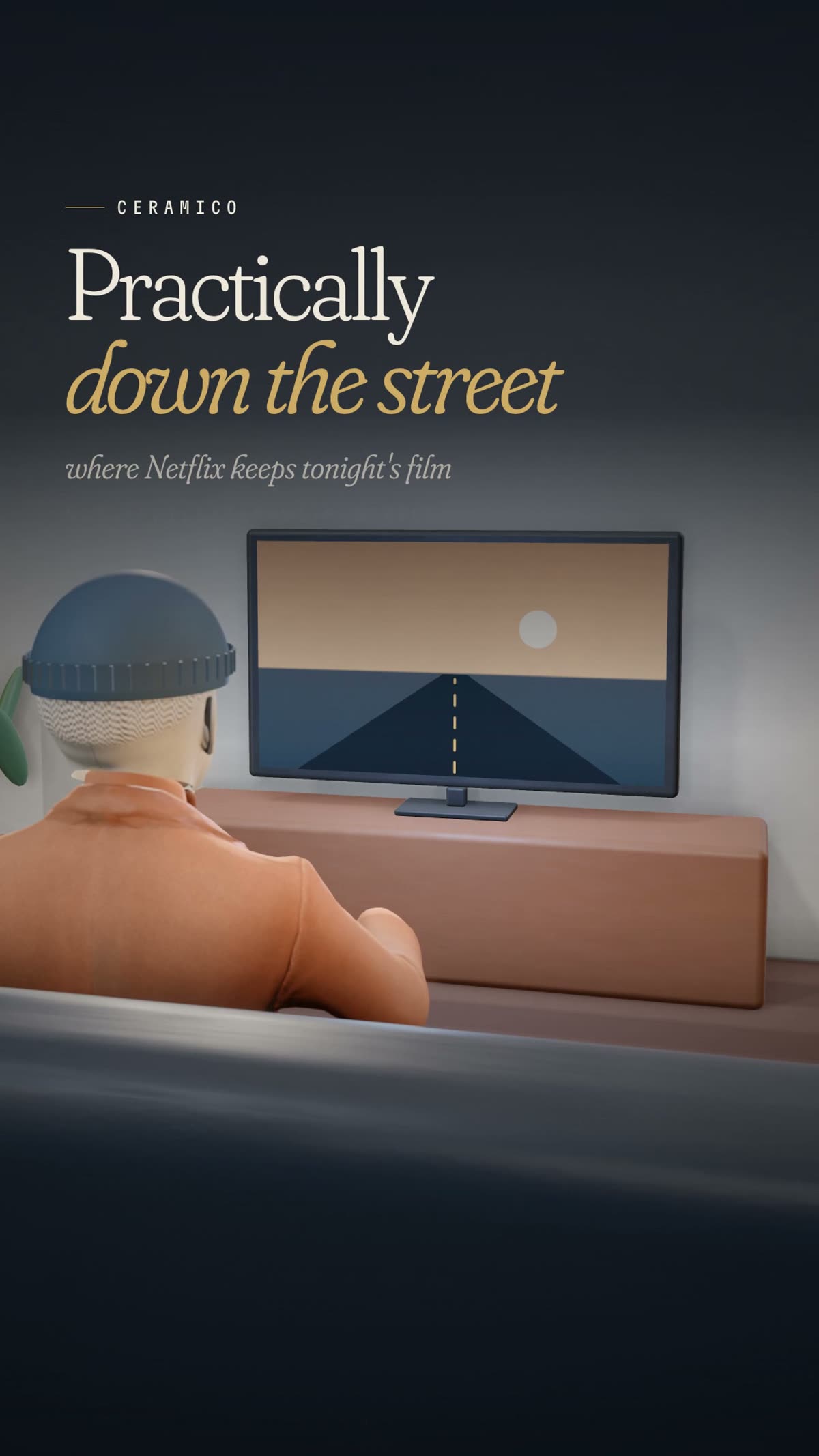
Netflix gives internet providers its own boxes, fills them overnight with what your region is likely to watch, and steers your TV to the nearest one.
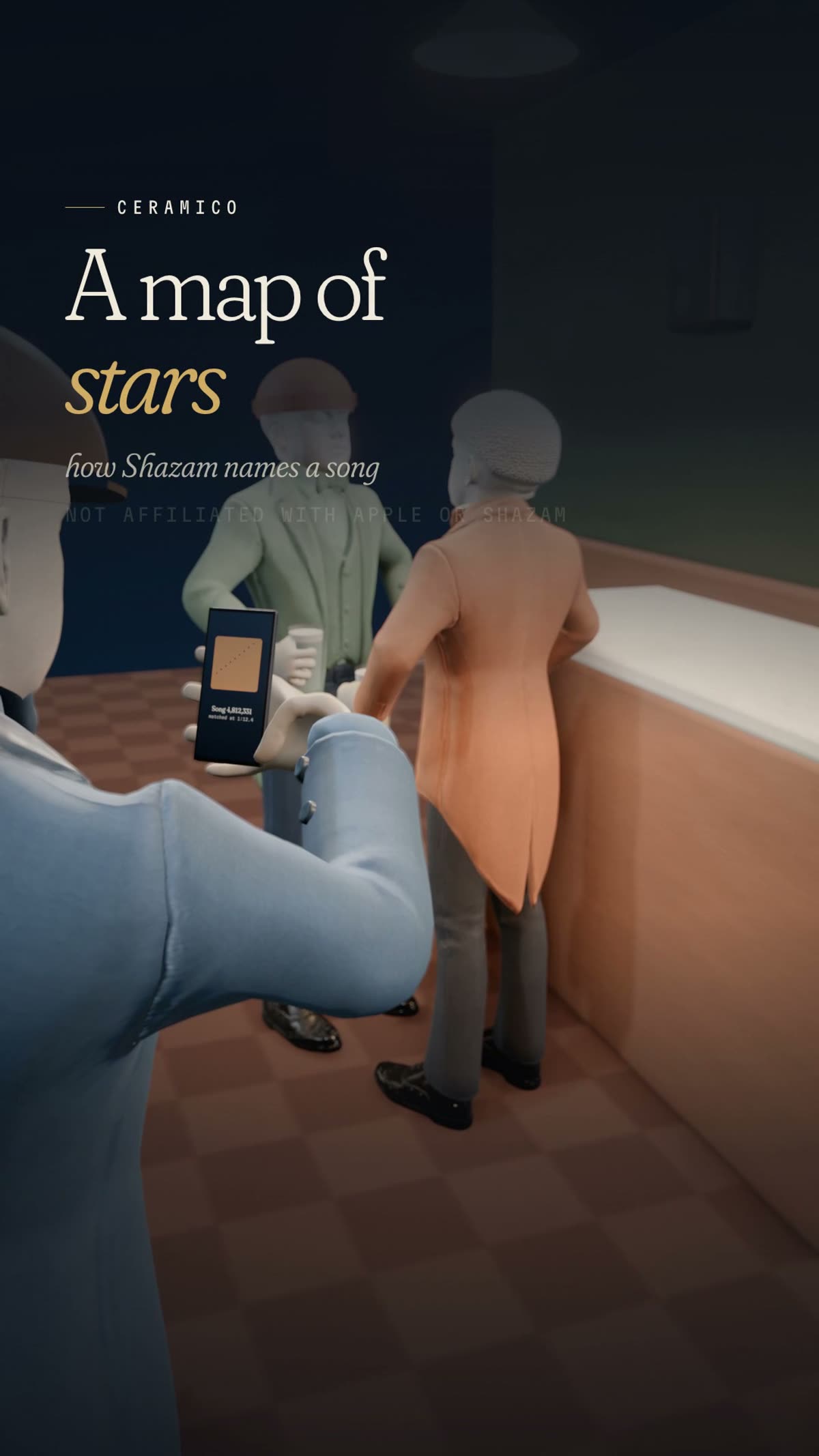
Shazam’s original method throws away almost all of the sound, keeps a scatter of peaks its creators called a constellation map, and finds the song by lining up the stars.
In 2010, Spotify’s desktop app got less than a tenth of its music from Spotify’s servers. The rest came from your own cache and from other listeners.
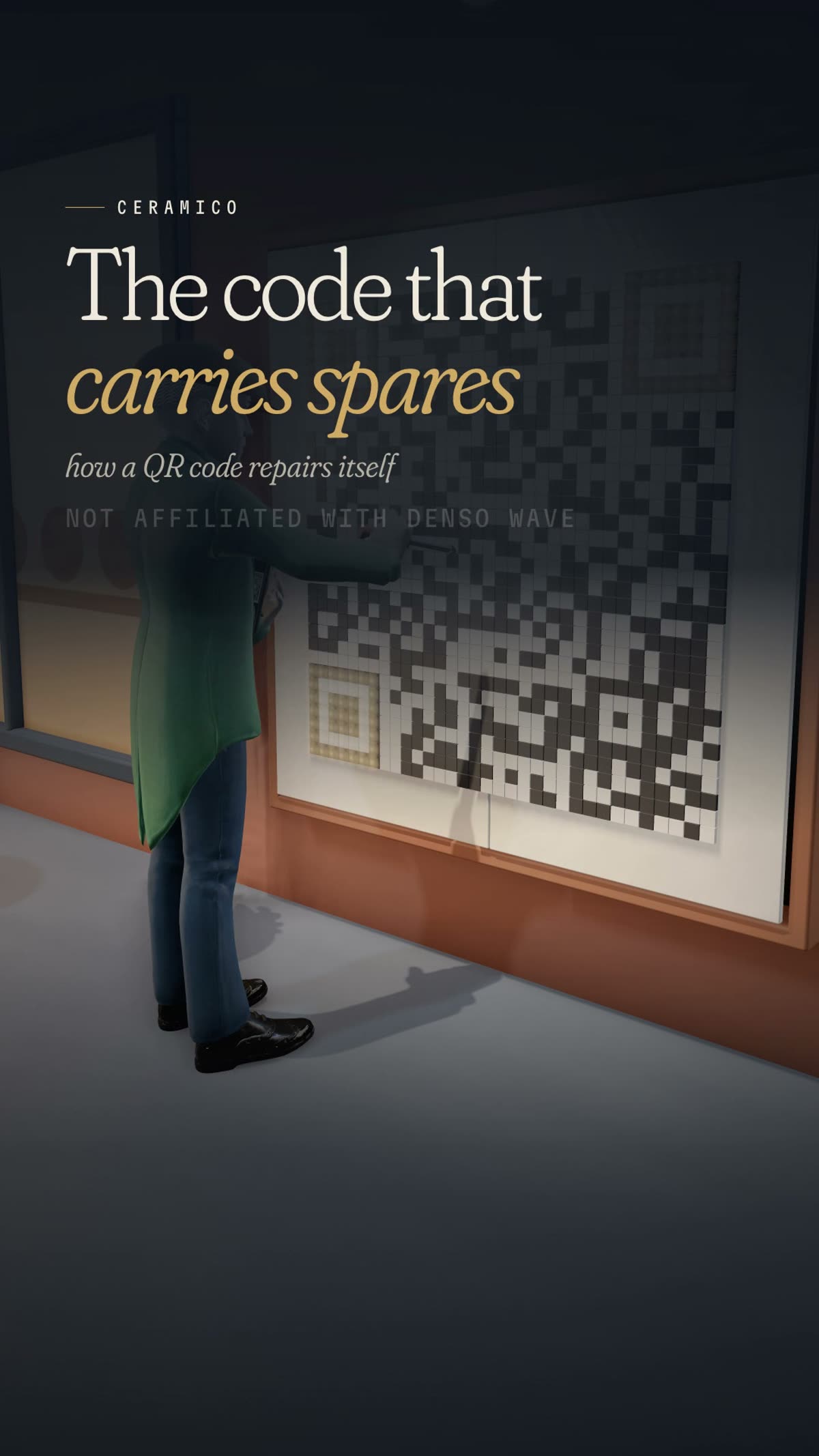
Every QR code is printed with extra bytes worked out from its own message. Here is how those spares rebuild what a smudge wipes out, and why the three corners matter so much.
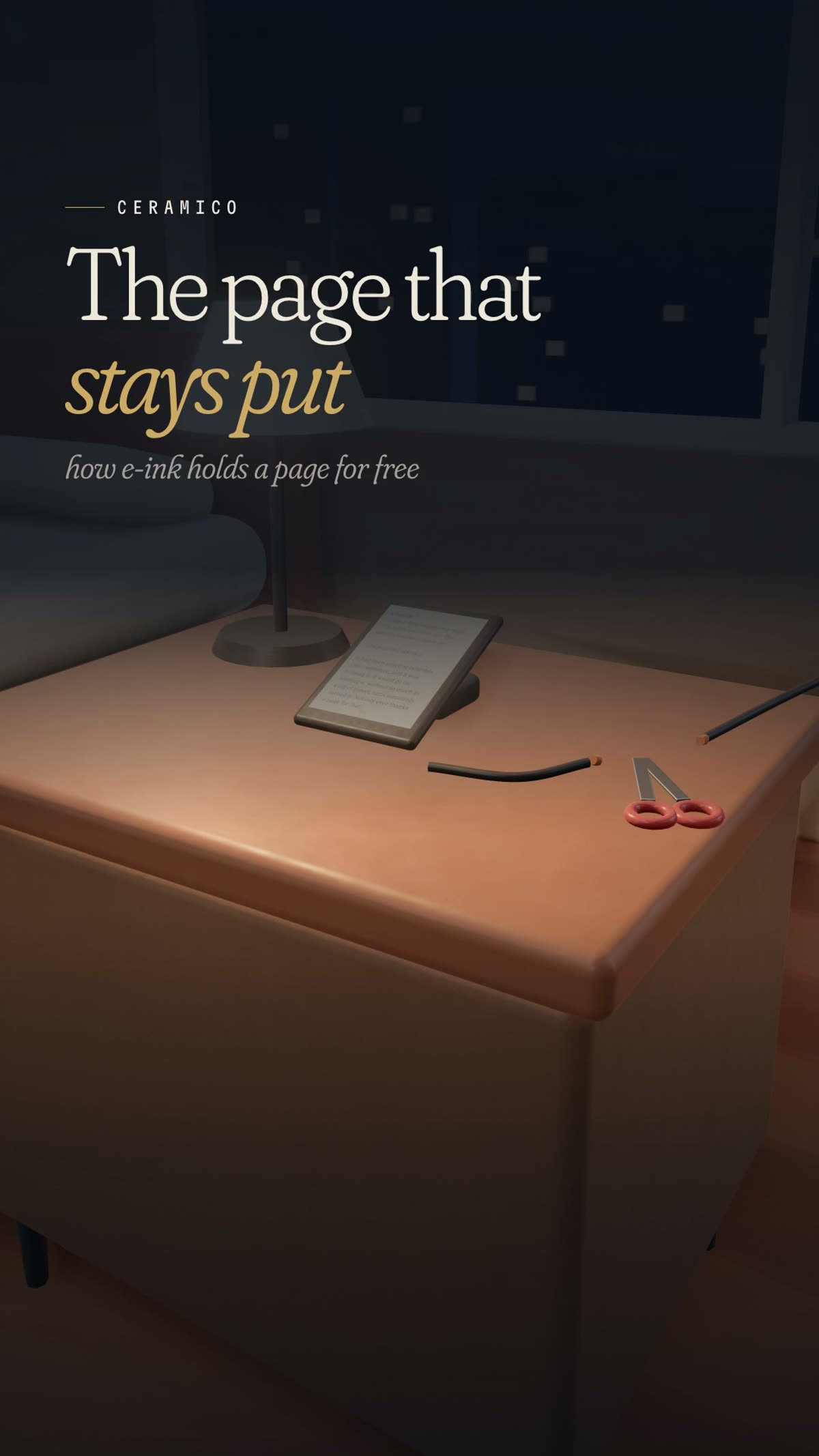
Inside an e-reader’s screen, millions of capsules hold charged black and white specks that move once and then simply stay. That is why the page costs nothing to keep.
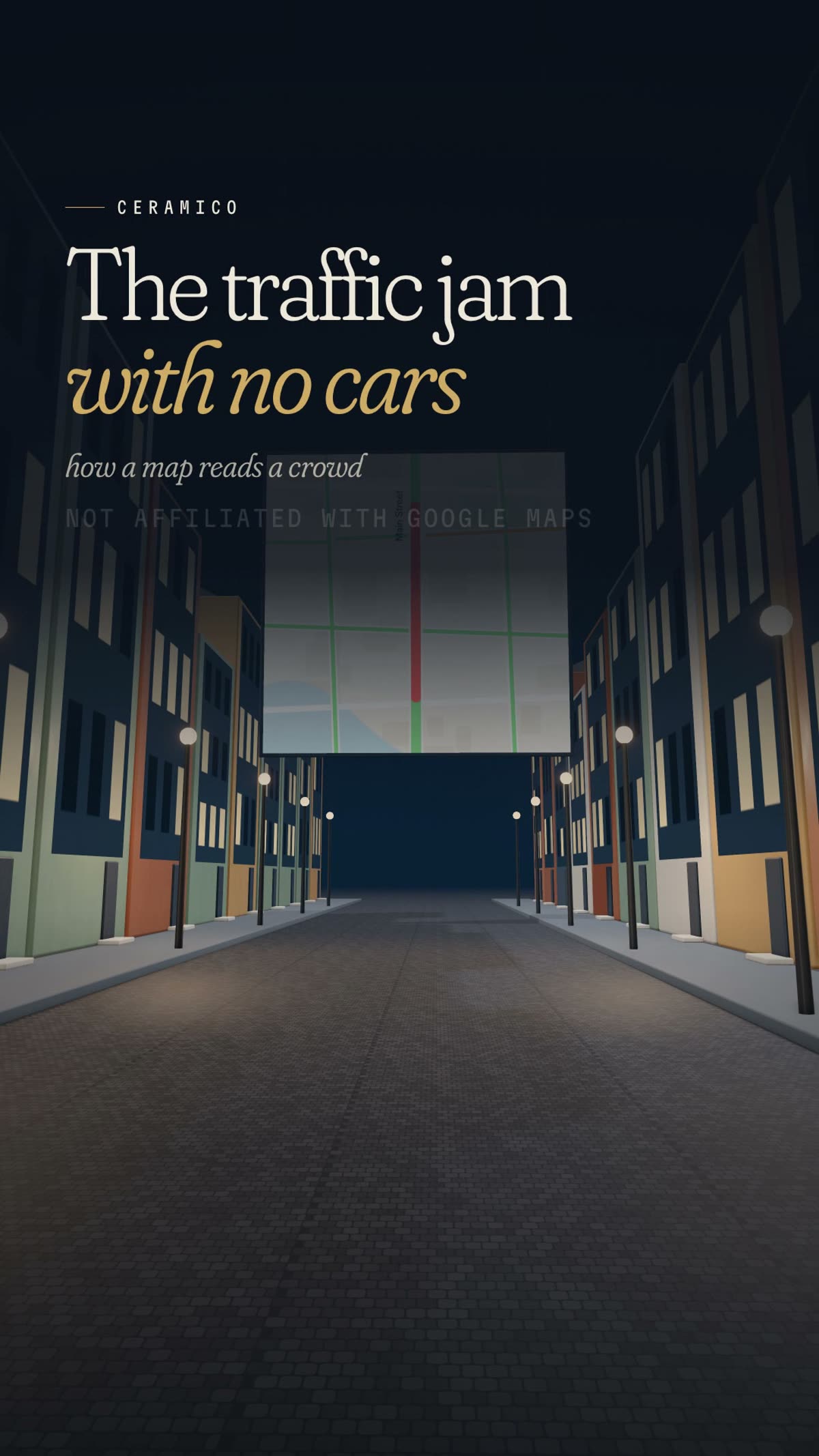
In 2020 an artist pulled a handcart of 99 phones down a street and Google Maps showed a jam. The stunt is a neat lesson in where the red lines come from.
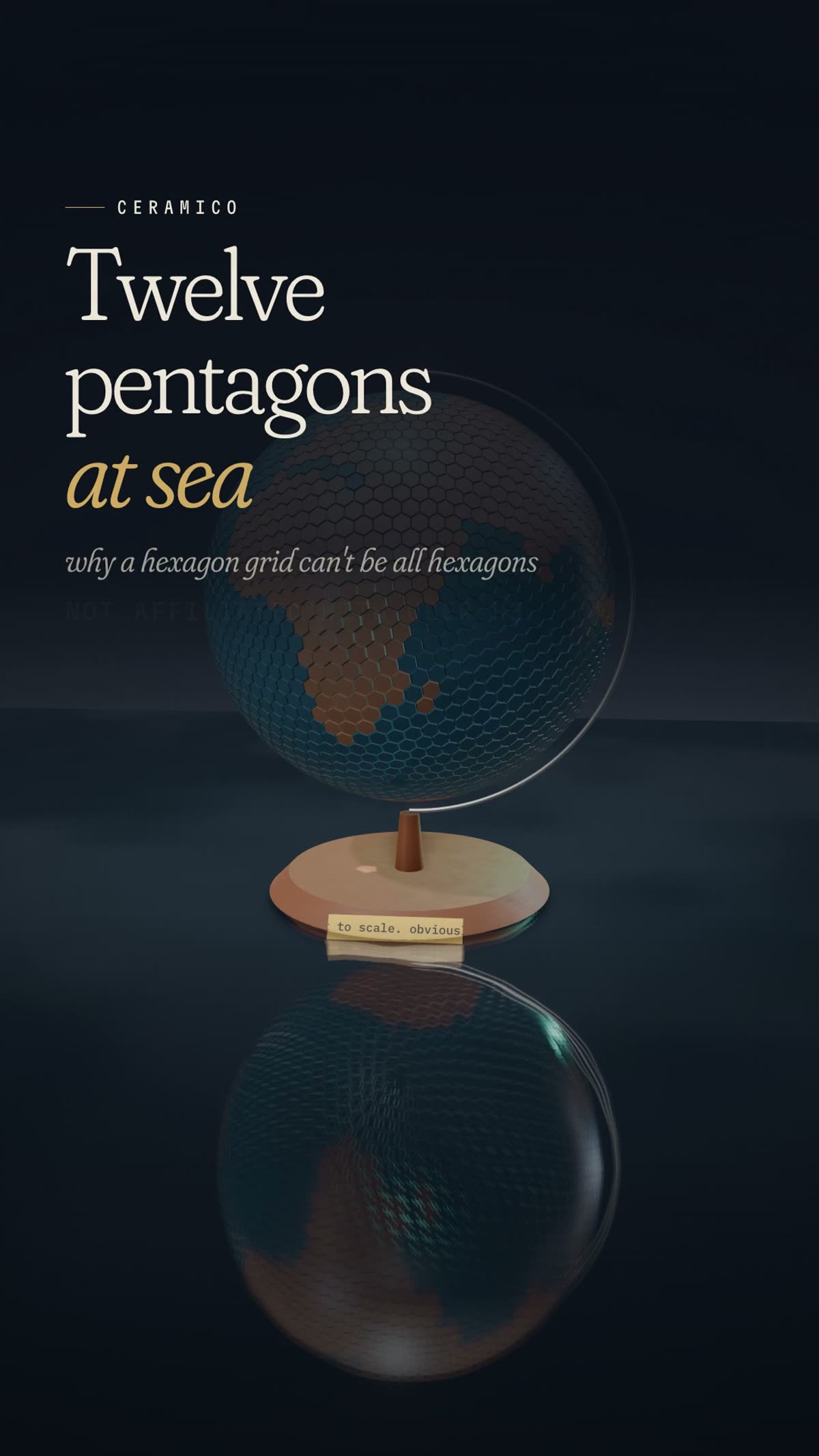
Uber built a grid that tiles the planet in hexagons. Geometry would not allow it to be all hexagons, so the twelve exceptions were tucked away where hardly anyone would notice: out at sea.
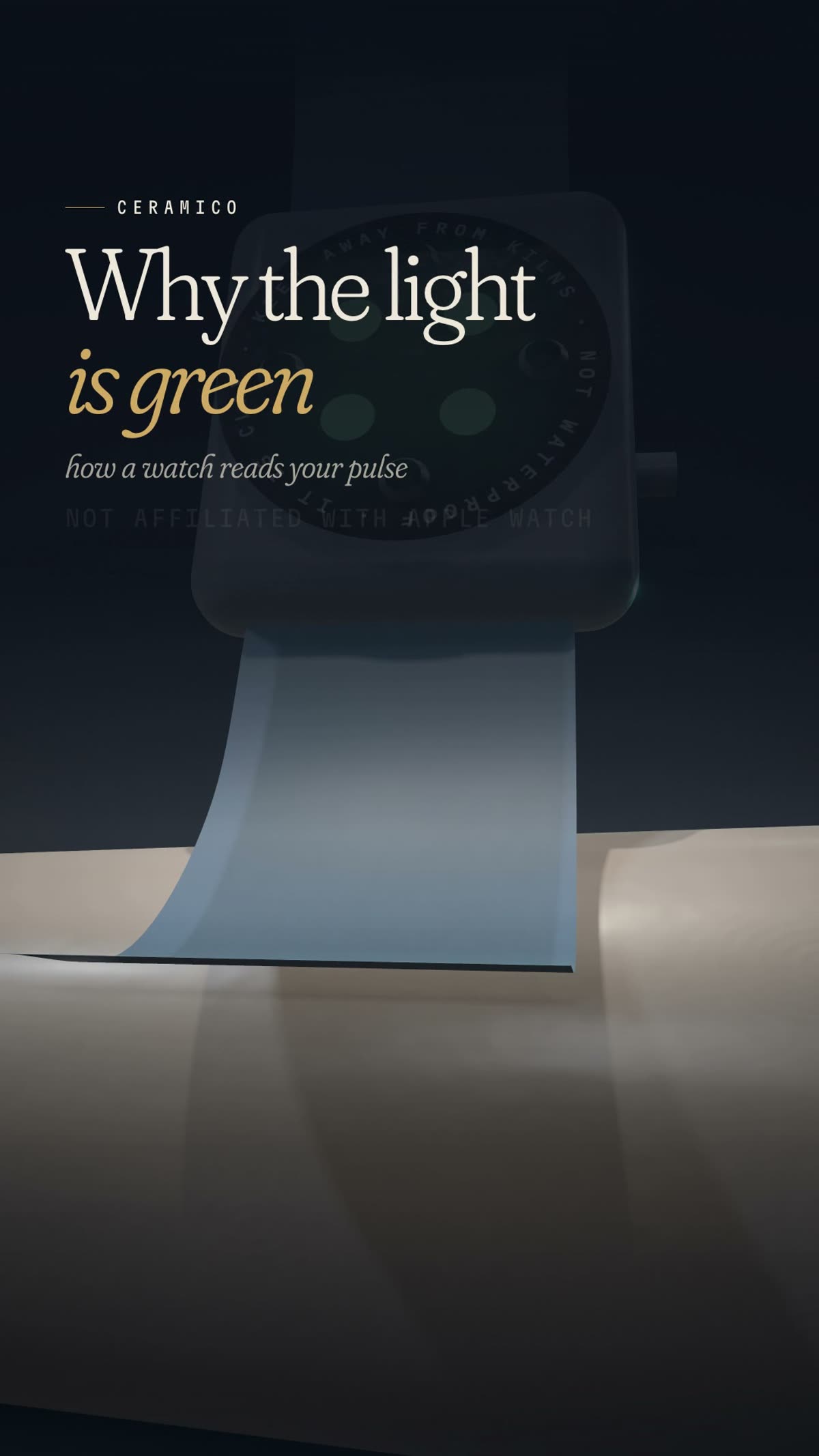
The green flicker under your watch is a tiny optics experiment, repeated hundreds of times a second. Its color comes down to a simple fact about blood.
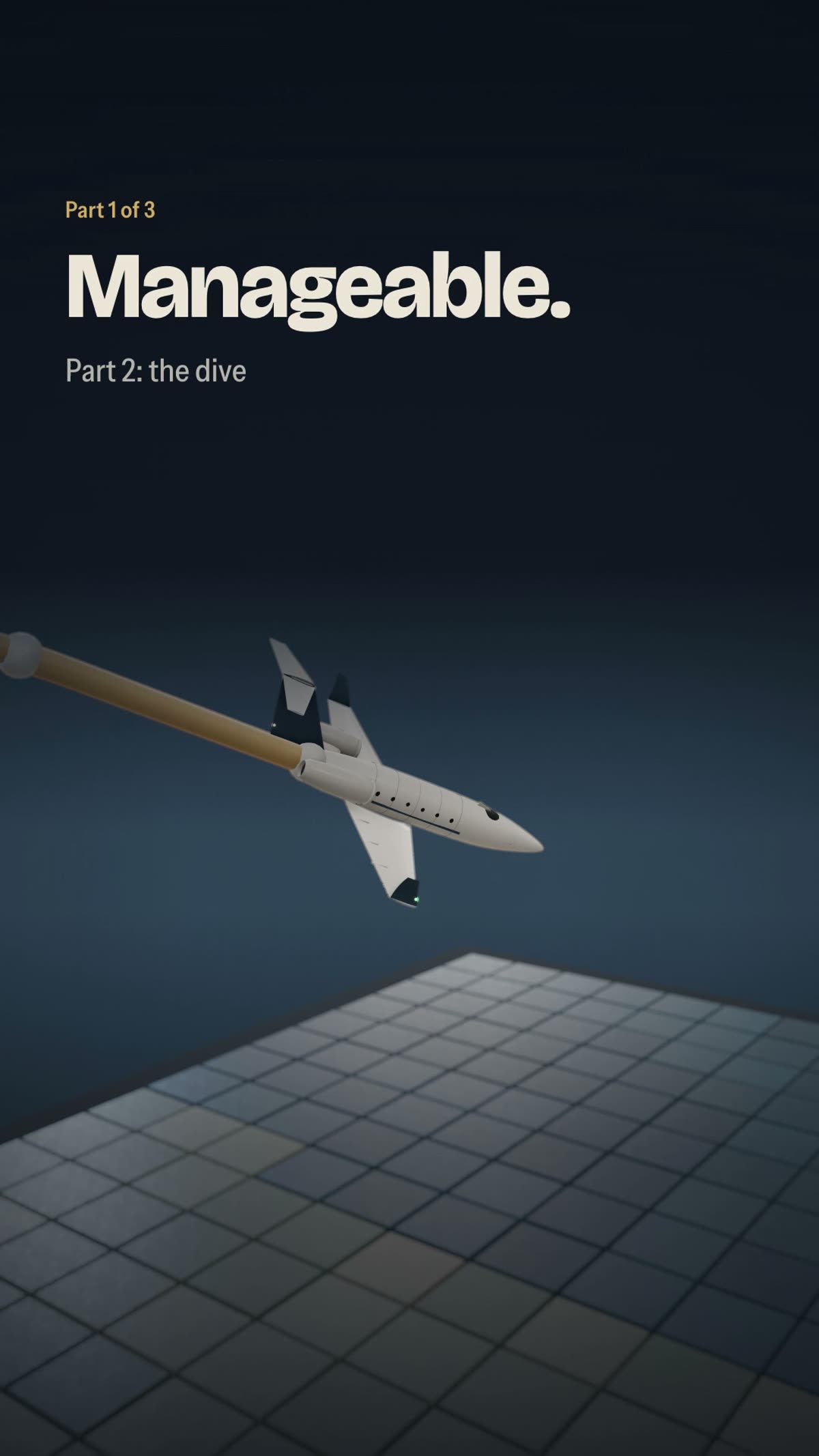
Two minutes before the mayday, the crew called the ice “manageable.” What followed took about a minute. Our three-part animated series follows the reported data from cruise to impact, and weighs four theories that no investigator has confirmed.